The Realities of Shooting an Outdoor Event When Everything — Including Your Batteries — Is Freezing
Essential tools, prep strategies, and on-the-fly adjustments for race-day cinematography.
Shooting a half marathon at 30°F isn’t just a test of endurance for the runners—it’s a field exam for videographers. Event coverage like this pushes you to plan ahead, adapt fast, and capture emotion in real time.
In this behind-the-scenes look, I’m unpacking what actually goes into filming a fast-moving, high-energy event while staying warm, organized, and creative on the fly.
The Gear Setup: My Bulletproof Layering System
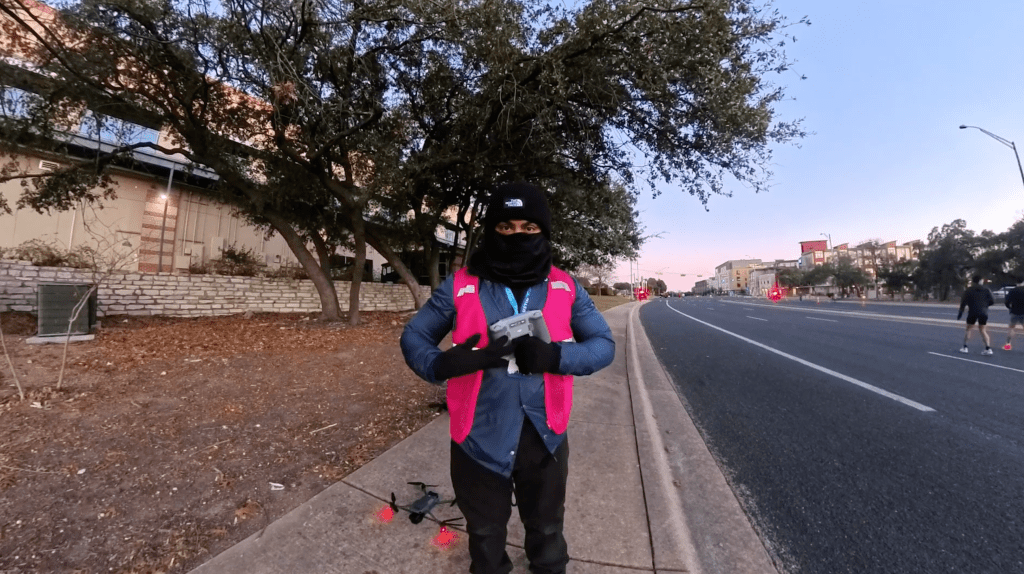
Think of layering as your mobile studio insulation. I use a three-part system—base, insulation, and shell—that keeps me warm but still flexible enough to sprint across the course for the next shot. Lightweight thermal gear is your best friend, and avoid anything bulky that limits camera movement.
The trick? Build your outfit around your shooting posture. If you’re kneeling, running, or flying a drone, your gear should move with you—not against you.
The Tech Pack: Keeping Gear (and Batteries) Alive in the Cold
Cold weather and camera batteries have never been friends. I learned that the hard way in my first winter race shoot, where my drone batteries dropped faster than the runners’ heart rates.
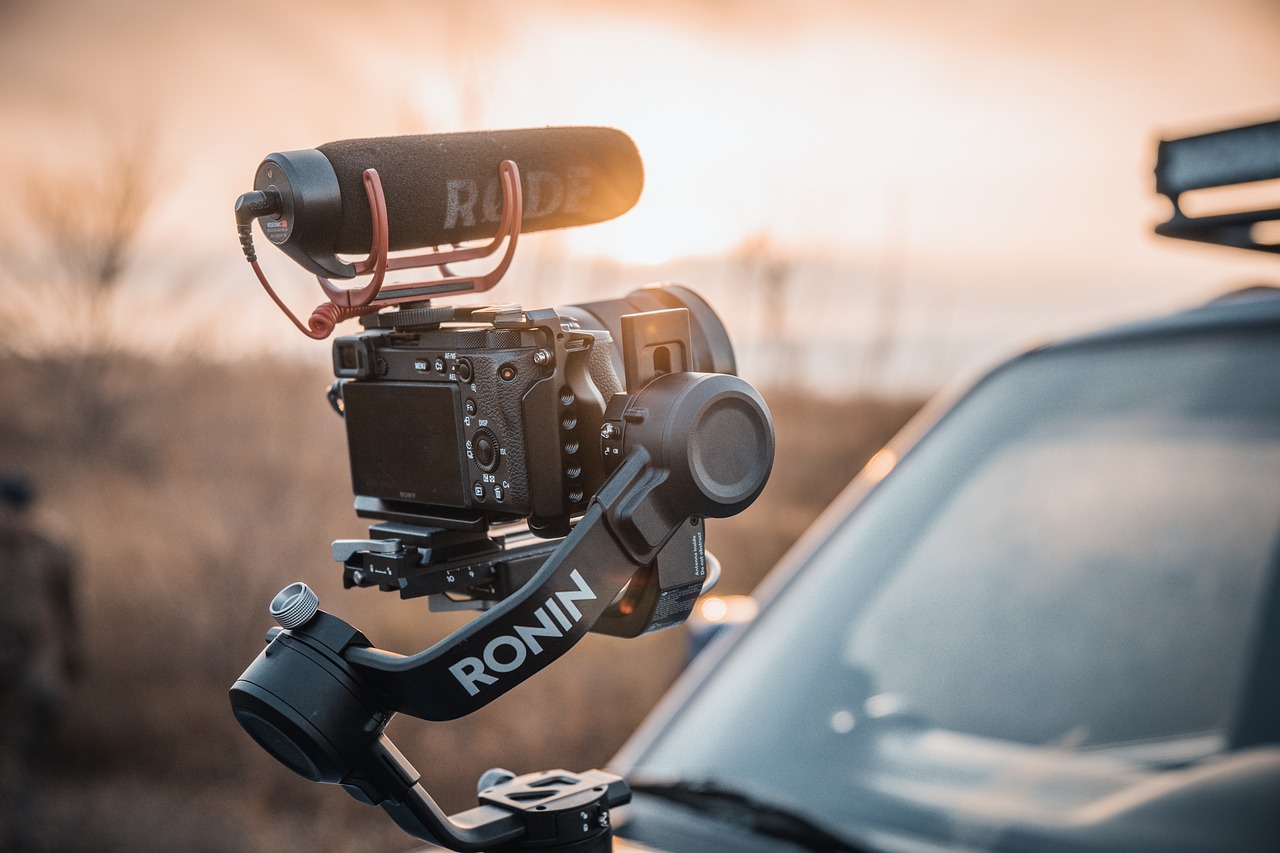
Now I keep everything pre-warmed inside insulated pouches and rotate my batteries throughout the day. I carry a few pocket warmers to keep my spares cozy in my jacket. My go-to camera setup includes a compact mirrorless rig, a mini tripod, and of course, my DJI Mavic 3 Pro for those sweeping aerials that bring the story to life.
Pro tip: Bring a microfiber cloth or two. Frosted lenses and gimbals aren’t cinematic.
The Framework: Capturing the Emotion and Energy
Every race tells a story—from the anticipation at the start line to the exhaustion and triumph at the finish. My cinematic shot framework is built around momentum and emotion.
I start close, on faces and movements—the tense breathing before the gunshot, a quick shoe tie, a nervous smile. Then I scale up: wide ground shots to show the pace and human flow, and drone footage to reveal the sheer scope of the event.
When all those pieces come together, you feel the chaos, the struggle, and the community energy that makes races so visually powerful.
Why It’s All Worth It
Despite the pre-dawn wake-ups, the frozen hands, and the battery gymnastics, capturing these events in the cold is one of my favorite challenges. You push your creativity, your endurance, and your ability to tell a complete story in motion.
If you’ve ever filmed in freezing conditions, you know it’s more than a shoot—it’s a test of mindset. And with the right preparation, it’s one you can pass beautifully.
What about you—what’s the coldest temperature you’ve ever filmed in? Drop a comment below or share your setup tips. Let’s trade war stories from the frozen frontlines of filmmaking.nts, keeping your audience excited and engaged.
Why Work with a Professional Event Filmmaker
Capturing live events like half marathons isn’t just about pressing record—it’s about anticipation, timing, and telling a story that moves people. From drone coordination and gear prep to visual storytelling that highlights emotion and scale, every detail matters.
As a filmmaker who specializes in high-energy, real-world productions, I don’t just document events—I translate them into cinematic stories that inspire audiences and strengthen brand connections.
If your next event deserves visuals that capture the energy, atmosphere, and emotion of the moment, let’s connect.
Ready to elevate your event coverage? Let’s start the conversation.